
With gold at the Brazilian Championship and 3rd place in the world rankings, the athlete sponsored by Core Case shows that results in the water are the product of a heavy training routine and discipline.
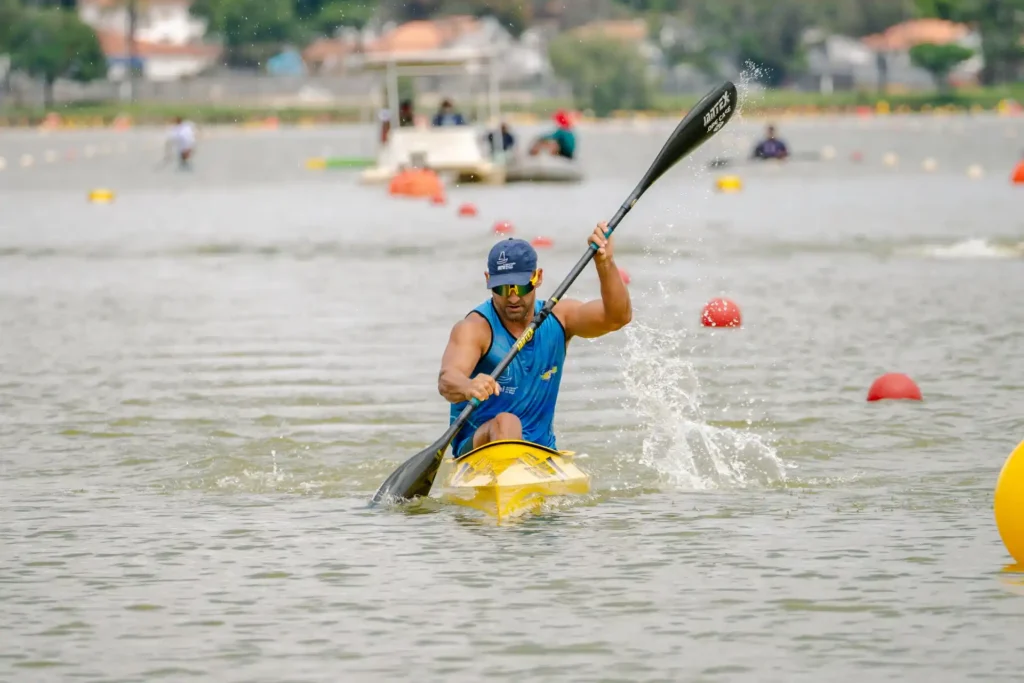
In September, Flavio Reitz crossed the finish line of the KL2 200m category in Lagoa Santa (MG) with a time of 40s69, securing another Brazilian title for his record. But for those who only see the medal on the podium, the journey there involved a lot of hard work and dedication.
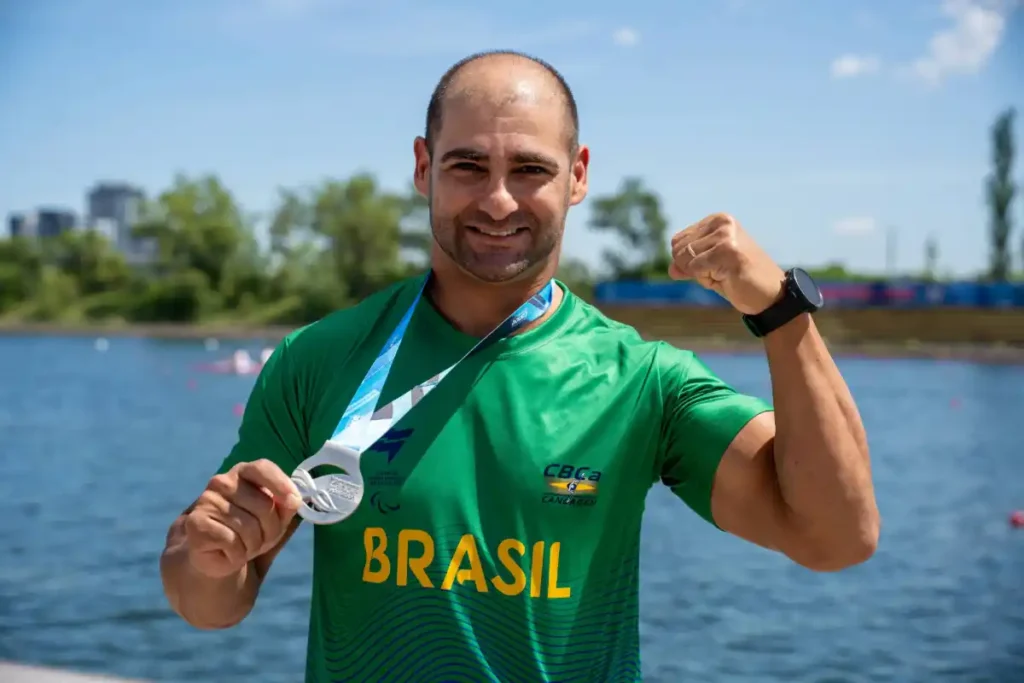
Just one week before paddling in Minas Gerais, Flavio competed at the World Championships in Poland (where he placed 4th). In the same cycle, he brought home silver from the World Cup in Montreal, Canada. This streak of results placed the Itajaí native in 3rd position in the International Canoe Federation (ICF) world rankings with 3,710 points, a decisive step in the race for a spot at the Los Angeles 2028 Paralympic Games.
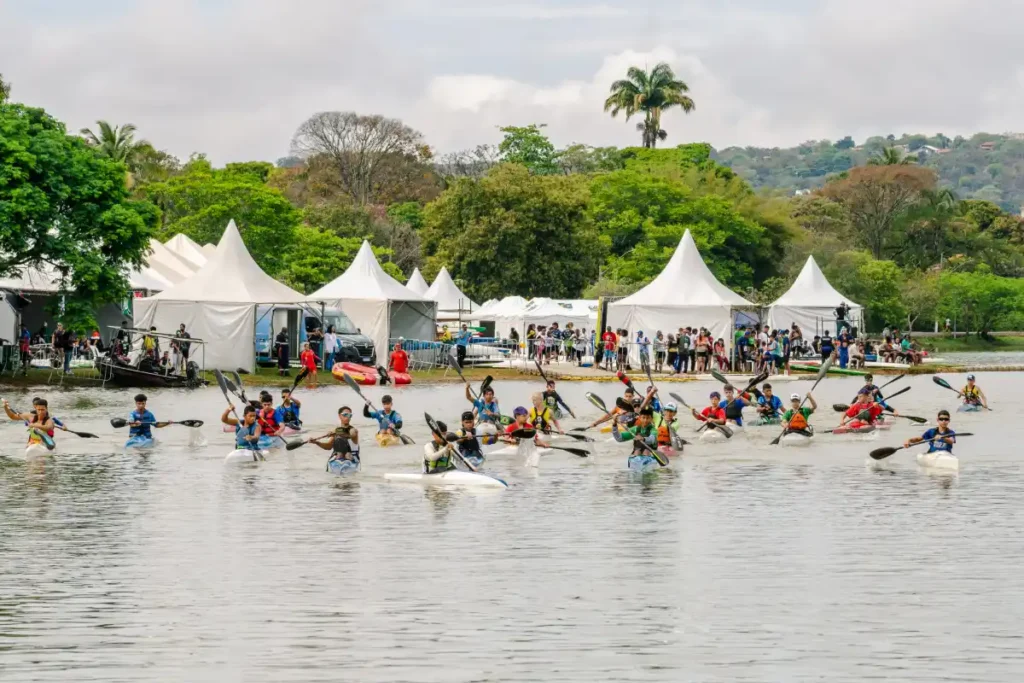
The Routine Behind the 40 Seconds
Those who follow the trips with the Brazilian National Team on social media can hardly imagine the daily training load. Flavio makes a point of managing expectations:
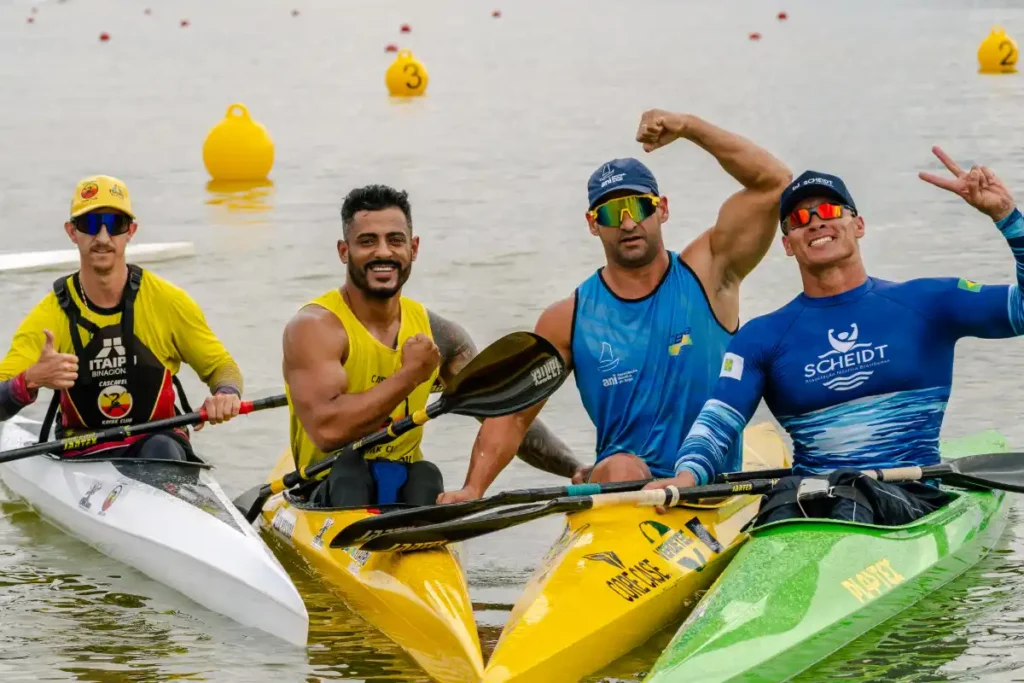
“We end up showing a certain glamour on social media with travel, the Brazilian national team, national and international competitions, but in daily life, it’s a completely different story. It’s a daily routine for most of the year, Monday to Friday, and during some periods on Saturdays as well. We go out on the water to paddle every morning. Monday, Wednesday, and Friday afternoons are reserved for strength training in the gym. During some periods, on Tuesday afternoons, I also paddle to complement and add a bit more volume. On Thursday afternoons, there is swimming to complement cardio. The interval between workouts is meant for resting so I can perform well in the next session.”
Cool Mind Under Pressure
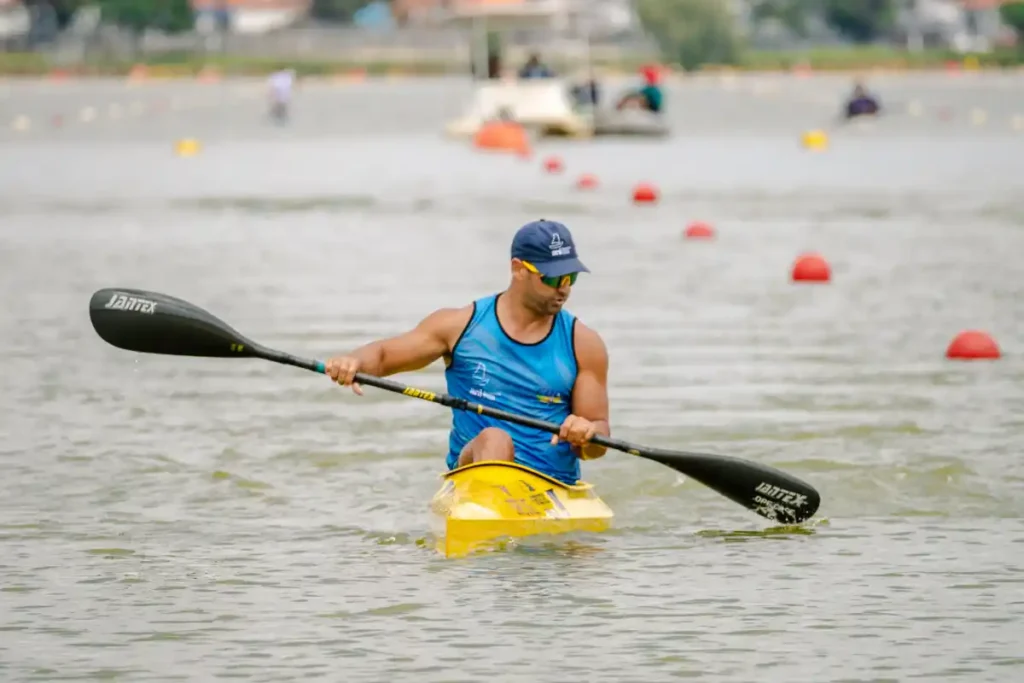
In a 200-meter race that lasts about 40 seconds, any mistake at the start costs you the race.
“I won’t say there’s no nervousness or butterflies in the stomach, but we learn to master and turn that adrenaline and anxiety into something positive so we don’t start feeling sluggish or sleepy and miss the timing. The race is extremely fast, so any error can be critical between fighting for a medal or finishing in the back of the pack. Being alert, focused, aware of your capabilities, and executing in the race what you trained for is the key, always seeking your best performance.”
From High Jump to Paracanoeing
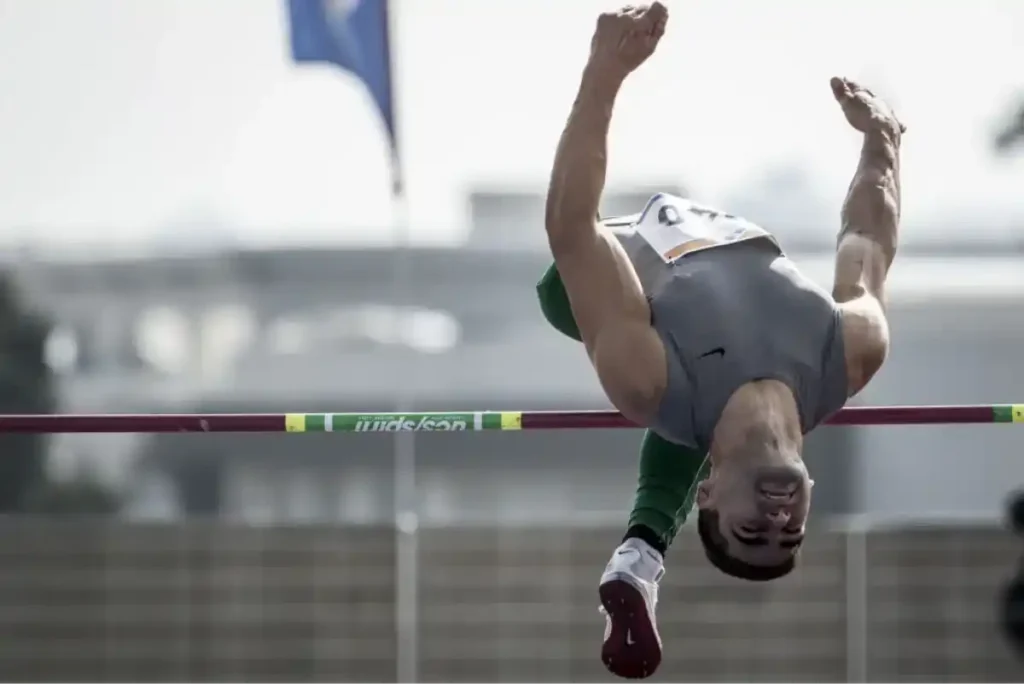
Flavio competed in three Paralympic Games in the high jump before switching to paracanoeing. Changing disciplines meant re-educating his body and changing his training mindset.
“After 12 years practicing track and field, specifically the high jump, making a transition like that demands resilience and persistence. Especially regarding the body parts used in the process: before, I used mainly my legs; today, I use mainly my arms and torso. So this shift required special attention.”
“We end up realizing that canoeing has a different physical and psychological strain. The moment you are in contact with nature, you don’t control it; it controls you, and you are forced to adapt to the wind, currents, waves, and debris in the water. Unlike track and field, where the surface is always the same and at most wet from rain, in canoeing, the wind and water level end up interfering. Understanding that we are in a different environment was, I believe, the main point for us to evolve physically and mentally.”
Focus on Los Angeles 2028
Aiming for his fourth Paralympic appearance, Flavio and his coaching staff are focusing their planning on the international qualification cycle, which runs through May 2028.
“The 2027 competitions (World Championship, World Cups, and Pan American Games) add crucial points. The top 10 in the rankings secure the country’s slot for the Games. The goal is to meet the criteria and make the final list to represent Brazil in Los Angeles.”
Support from Core Case
To dedicate himself exclusively to his training routine and top-tier equipment, Flavio highlights the importance of sponsorship from brands like Core Case.
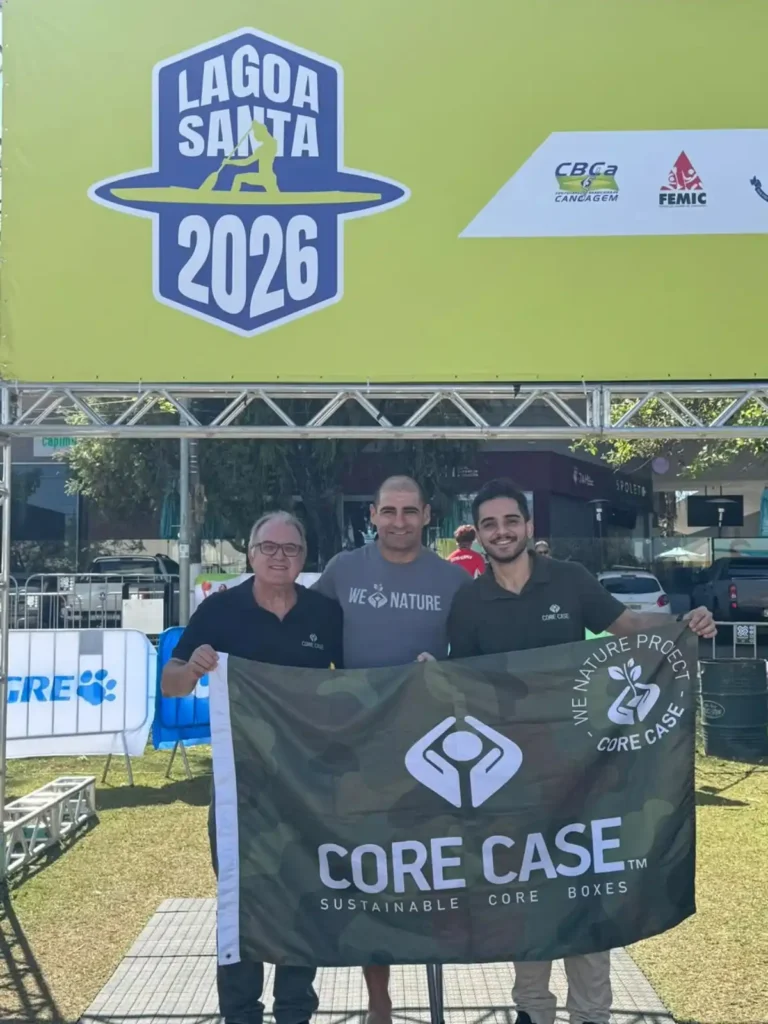
“Being supported by a company of Core Case’s stature means, first and foremost, recognition of my journey, overcoming my amputation, and being a high-performance athlete capable of representing the country in major competitions. This kind of support from private companies—companies that also value the sporting and social aspects—is of paramount importance. It gives us a foundation so we can focus solely on training; the background, the structure for nutrition, supplementation, uniforms, and equipment are all backed by companies like Core Case”.
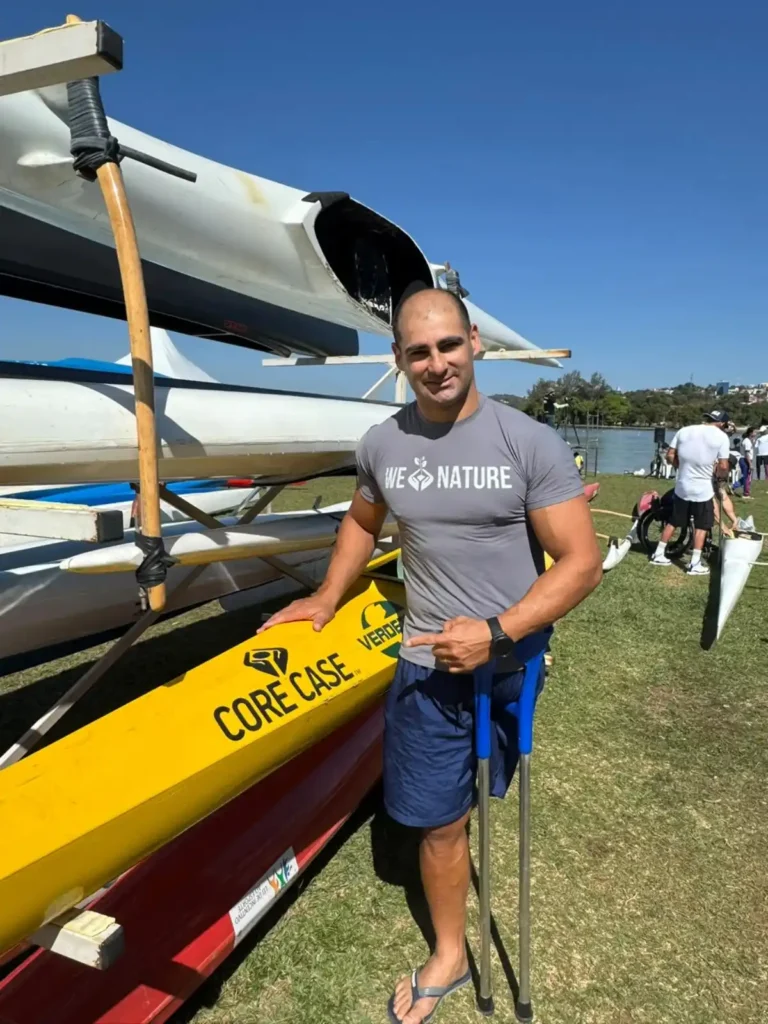
The partnership reinforces Core Case’s commitment to promoting transformative initiatives that connect innovation and perseverance.